
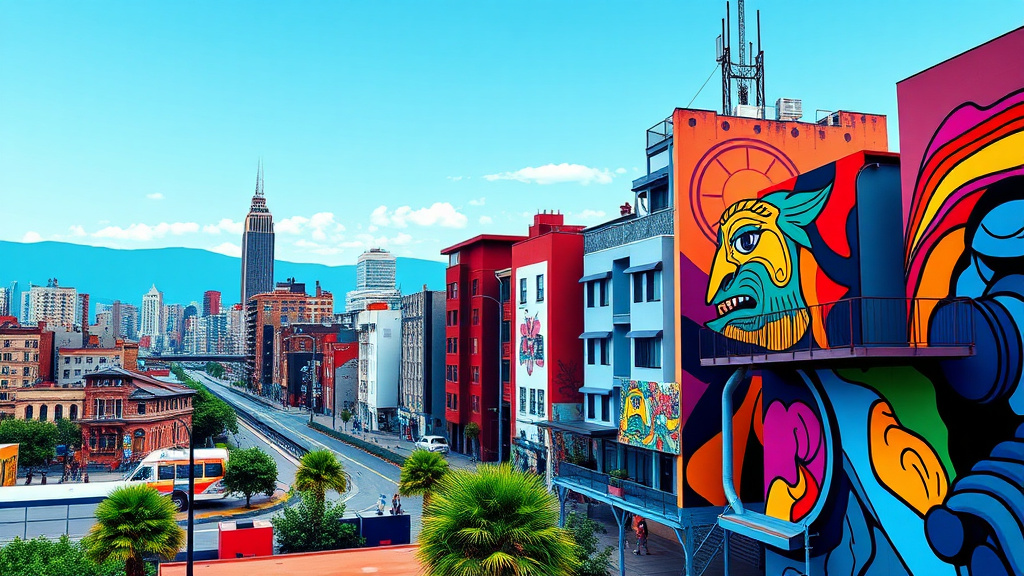
What was once dismissed as vandalism has transformed into a powerful force for neighborhood improvement. Street artists and grassroots organizers are reshaping neglected neighborhoods, one magnificent mural at a time. These expansive murals don’t just beautify concrete walls—they spark conversations, celebrate cultural heritage, and build neighborhood unity. Discover how community-driven mural initiatives are transforming underserved communities into lively, uplifting places where creativity thrives and neighborhoods restore their character.
The Rise of Street Art as Community Catalyst
Street art has experienced a significant transformation over the past two decades, evolving from underground rebellion to popular cultural movement. What authorities once viewed as illegal graffiti is now acknowledged as legitimate artistic expression with significant social influence. This shift demonstrates evolving perspectives on urban creativity and community engagement. Artists, city planners, and residents partner to create significant public artworks that addresses local concerns, celebrates diversity, and reimagines community spaces into open-air galleries accessible to everyone.
The catalytic power of street art lies in its capacity to amplify voiceless populations and underrepresented narratives. Large-scale murals serve as striking visual declarations that challenge conventional perspectives and ignite meaningful dialogue about personal identity, historical context, and fairness. Neighborhoods adopting street art often develop greater sense of belonging and cohesion within the community. These creative pieces become venues for shared discussion, fostering relationships between neighbors and creating shared ownership of neighborhood spaces that might otherwise seem disregarded and ignored.
Beyond aesthetic enhancements, street art programs produce tangible social and economic benefits for urban neighborhoods. Research shows that areas displaying vibrant murals see higher visitor numbers, stronger property appreciation, and stronger neighborhood bonds. Local businesses report improved customer interaction, while residents report increased fulfillment with their neighborhoods. Street art programs also provide job prospects for up-and-coming creators and create venues for creative output, particularly benefiting younger individuals pursuing productive avenues for their talents and perspectives.
The grassroots nature of modern street art differentiates it from earlier graffiti movements. Contemporary muralists partner with neighborhood organizations, schools, and municipal authorities to guarantee projects reflect neighborhood values and priorities. This collaborative model turns artistic creation into a shared endeavor where residents provide ideas, skills, and effort. Such partnership builds social capital, strengthens community bonds, and instills a sense of belonging that supports ongoing community stewardship and commitment to local development.
Street art’s effect extends beyond individual neighborhoods to transform broader urban development philosophies. Cities worldwide now recognize public art as critical infrastructure for creating accessible thriving communities. Progressive urban planners embed street art into community renewal initiatives, understanding that creative environments draw skilled professionals, encourage creative thinking, and enhance living standards. This institutional recognition affirms artists’ work while offering support and authority to ground-level efforts, creating sustainable frameworks for future artistic endeavors and social change.
The expansion of street art as a grassroots force demonstrates how creative expression can tackle complex urban challenges. By combining artistic vision with grassroots involvement, these movements establish that neighborhoods can be reimagined not through government-imposed rules but through collaborative, grassroots efforts. Street art enables residents to take back their environments, express their culture, and build stronger communities. As cities keep changing, street art serves as a vital tool for creating neighborhoods where creativity, culture, and community flourish.
Financial and Social Effects of Mural Projects
Large-scale mural projects create significant economic benefits while strengthening social fabric in urban neighborhoods. These artistic initiatives draw visitors, drive more people to local businesses, and create employment opportunities for artists and community members. Beyond financial gains, murals strengthen local pride and community creativity, converting public areas into galleries that highlight different cultures. Communities report improved quality of life and stronger feeling of connection following mural installations, showcasing art’s powerful role in urban revitalization.
Real Estate Values and Community Revitalization
Research continually indicates that thoughtful mural positioning correlates with increased property values and community appeal. Colorful street art signals community investment and care, encouraging property owners to maintain their buildings and environs. Communities transformed through mural initiatives see reduced empty space rates and attract new residents seeking culturally rich neighborhoods. This renewal establishes a positive cycle where enhanced visual appeal inspire further investment in local infrastructure and services.
Beyond immediate property appreciation, mural projects catalyze wider community transformation. They attract small businesses, restaurants, and arts spaces seeking vibrant communities. Property developers identify these areas’ potential, leading to careful growth that respects existing character. Importantly, effective renewal requires community involvement to ensure gentrification doesn’t uproot original residents, maintaining authentic cultural identity while generating economic opportunity.
Community Engagement and Community Unity
Mural development initiatives promote unprecedented community engagement, bringing together residents across generational and cultural boundaries. Partnership efforts include neighborhood members in conceptualization, design, and delivery, building shared ownership and pride. These participatory approaches strengthen community connections, deepen neighborhood bonds, and foster active citizenship. Communities describe stronger community identity and mutual support following collaborative mural projects, establishing foundations for continuous neighborhood development programs.
Street art acts as a potent force behind community conversation and cultural recognition within multicultural areas. Murals depicting local heritage, symbolic representations, and social messages provide visual expressions of residents’ identities and values. Public art displays serve as meeting points where community members engage, exchange narratives, and recognize common culture. This creative output strengthens social cohesion, reduces intergroup tensions, and develops inclusive settings where everyone feel valued and included.
Obstacles and Next Steps
Despite the remarkable success of street art initiatives, the movement faces considerable obstacles that threaten its long-term viability and growth. Regulatory uncertainty remains a recurring challenge, as artists contend with complex regulations regarding use of public spaces and ownership protections. Additionally, budget limitations limit the scope and regularity of mural projects, while some areas struggle with maintenance and preservation of existing artworks subject to harsh weather conditions and environmental damage.
Looking ahead, the street art community must forge robust partnerships with local government bodies and property owners to gain recognition for their creations and secure long-term support. Training initiatives that develop new talent in practical techniques and community engagement strategies are essential for cultivating emerging artists of muralists. By tackling these issues with foresight, street art can keep revitalizing neighborhoods while building sustainable models that benefit artists, communities, and urban development alike.
Primary Focus Areas
- Develop legal frameworks safeguarding artists and promoting public art initiatives
- Generate consistent funding via grants, sponsorships, and municipal budgets
- Develop conservation methods for long-lasting, weather-resistant murals
- Establish mentorship programs connecting seasoned professionals with new artists
- Build collaborative relationships among communities, governments, and businesses
