
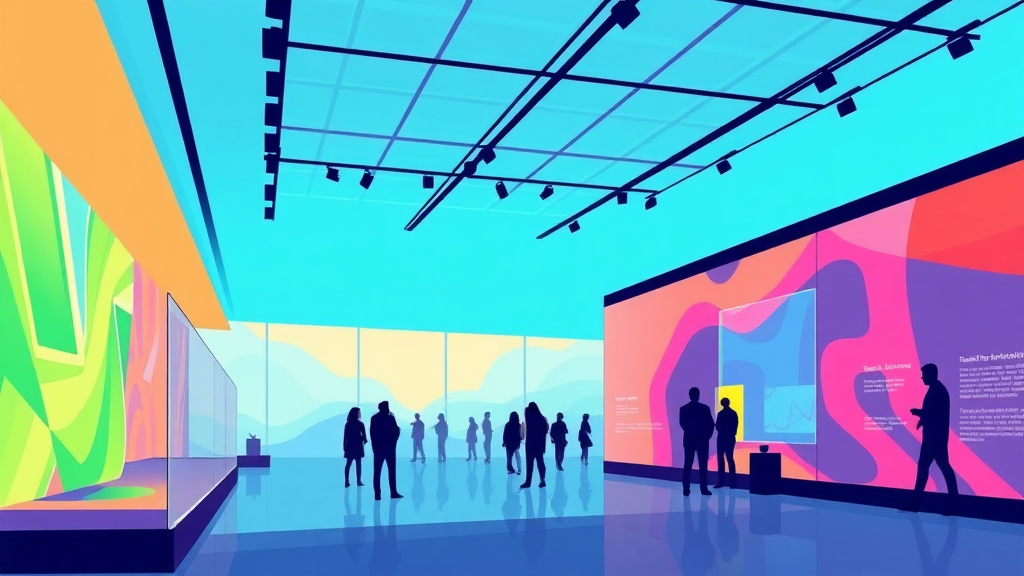
Museums around the globe are reimagining their strategy for visitor interaction by incorporating interactive exhibits tailored to younger audiences. Gone are the days of static viewing behind velvet ropes; modern cultural institutions are creating immersive experiences that blend education with entertainment. This article examines how museums are utilizing advanced technology, hands-on activities, and creative narratives to fascinate children and teenagers, ultimately converting these spaces into vibrant educational spaces that spark wonder and foster a enduring passion for art, history, and science.
Modern Innovation in Cultural Institutions
Modern museums are employing cutting-edge digital tools to produce captivating experiences that connect with younger visitors. Interactive screens, augmented reality platforms, and immersive virtual environments have become cornerstones of current display approaches. These technological developments allow visitors to interact with artifacts and historical narratives in unprecedented ways, shifting passive observation into active participation. By weaving digital elements seamlessly into exhibition spaces, museums create immersive sensory encounters that hold visitor interest and boost learning outcomes across diverse learning styles and age groups.
The integration of smartphone apps and interactive displays has transformed how cultural institutions engage with tech-savvy audiences. Visitors can now obtain instant data, discover exclusive material, and engage with gamified learning experiences that incentivize curiosity and learning. These technological improvements go past the on-site location, helping patrons to pursue ongoing learning at home through supplementary applications and digital channels. This multi-platform strategy supports ongoing participation while upholding the unique importance of in-person museum visits and hands-on artifact experience.
Developing Immersive Learning Spaces
Modern museums are significantly revamping their exhibition strategies to create engaging educational spaces that attract younger visitors. By combining sensory interactions, museums reach children through sight, sound, and touch, turning theoretical concepts into hands-on learning. These environments blend physical areas with interactive digital tools, allowing visitors to investigate topics hands-on rather than remain passive observers. This approach simultaneously enhances visitor retention but also deepens comprehension and encourages repeat visits, positioning museums as essential educational destinations.
AR Solutions
Augmented reality technology has emerged as a game-changer in museum exhibitions, allowing visitors to visualize historical events and natural processes in unprecedented ways. Through smartphone and tablet apps, younger audiences can project digital information onto tangible objects, uncovering concealed information and background context. AR experiences transform static displays into dynamic narratives, allowing children to engage with figures from history, examine anatomical structures, and witness natural phenomena come alive. This technology bridges the gap between imagination and reality, rendering difficult topics accessible and entertaining.
Museums putting into practice AR applications report significantly increased engagement among younger age groups, specifically ages eight to eighteen. These immersive digital layers encourage longer engagement times and promote improved information retention compared to standard exhibitions. Furthermore, AR applications often include gamification elements such as challenges, incentives, and achievement badges, motivating visitors to explore thoroughly. The technology also enables museums to update content regularly without building modifications, keeping exhibitions current and engaging to modern visitors.
Interactive Touch Screen Kiosks
Interactive touchscreen stations serve as a cornerstone of modern museum design, providing intuitive interfaces that appeal naturally to younger audiences raised with digital technology. These stations allow visitors to manipulate virtual objects, access detailed information, and take part in educational experiences at their own pace. Touchscreen technology caters to various learning styles, from visual learners who benefit from animations to tactile learners who thrive through physical engagement. Museums intentionally locate these stations across exhibition spaces, building interactive waypoints that lead visitors along curated educational journeys while sustaining visitor interest.
Effective touchscreen design emphasizes visitor engagement through adaptive displays, age-appropriate content, and intuitive navigation systems. Museums hire learning specialists to develop content that balances enjoyment and educational goals, ensuring visitors absorb valuable knowledge while having a good time. These stations often include multiple-user functions, encouraging collaborative learning among peer groups and families. Information gathered through touchscreen systems give museums with valuable data about how visitors interact, content preferences, and levels of interaction, allowing continuous improvement and customized exhibition updates.
Evaluating Performance and Future Directions
Museums are more and more implementing advanced measurement tools to evaluate the success of their interactive exhibits. Visitor engagement data, knowledge retention measurements, and visitor profile research help institutions comprehend which experiences resonate most with youth demographics. Through feedback collection, behavioral tracking, and educational partnerships, museums gather valuable insights that inform display improvements. These measurements show that interactive installations significantly increase dwell time, subsequent visits, and learning retention among young visitors, validating the spending on innovative display development.
In the coming years, museums are well-positioned to integrate new technological advances like artificial intelligence, augmented reality, and VR into their interactive experiences. Future exhibits will probably showcase customized learning experiences that adjust for each visitor’s interests and preferred learning methods. As institutions remain focused on accessibility and inclusivity, interactive offerings will expand to accommodate varied audiences with varying abilities. This evolution is set to solidify museums’ role as essential cultural institutions that spark curiosity and foster analytical skills in the next generation of students.
