
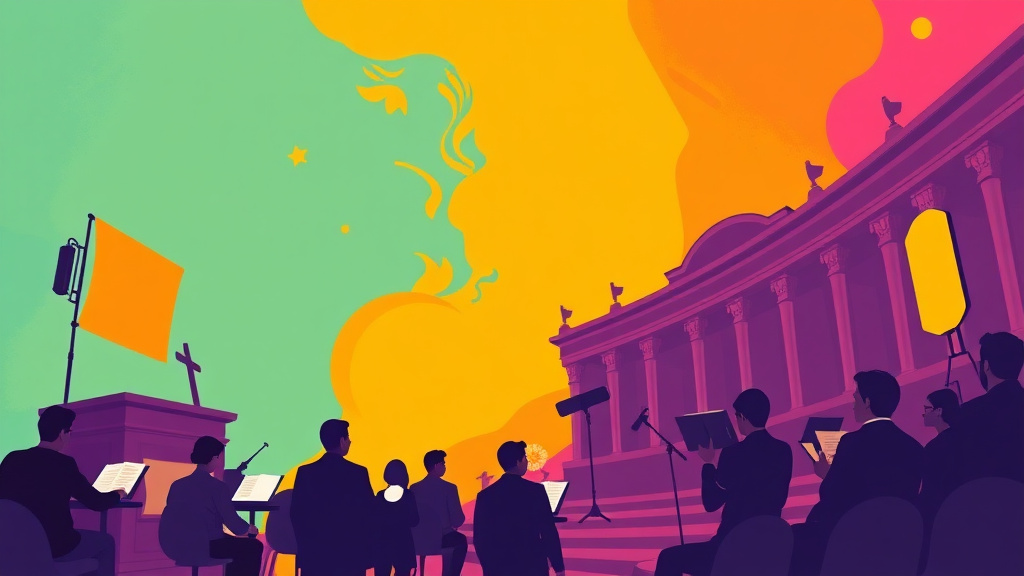
Traditional classical music conservatories are experiencing a significant evolution to engage modern digitally-fluent students. As enrollment declines and learning preferences shift, these prestigious institutions are embracing modern instructional approaches—from digital collaborative platforms to group performance experiences—while preserving rigorous musical standards. This article examines how music schools globally are connecting the divide between time-honored classical traditions and modern learning practices, ensuring the timeless art of classical music remains vibrant and accessible to the coming generation of musicians.
Blending Technology Into Traditional Course Content
Classical music conservatories are deliberately weaving digital tools into their longstanding teaching frameworks to enhance student engagement and educational achievement. Music notation applications, digital practice environments, and artificial intelligence-based listening exercises complement traditional instruction, allowing students to improve their abilities more productively. These technology integrations do not replace master classes or personalized teaching; rather, they extend learning beyond the studio walls, enabling students to get real-time responses and measure their advancement in real-time.
The incorporation of technology also expands availability to world-class instruction and resources. Students can now view recordings of renowned artists, participate in virtual masterclasses with world-class music professionals, and work alongside peers across continents. Course management platforms manage course materials and assignments, while recording technology allows students to capture their artistic development. By integrating these modern tools with foundational classical training, conservatories guarantee their curricula remain relevant without compromising the rigor and artistic excellence that define classical music education.
Cooperative Learning and Ensemble Development
Modern conservatories acknowledge that collective study cultivates both instrumental proficiency and interpersonal skills essential for today’s musicians. By reorganizing collaborative coursework to emphasize peer feedback and group-based solutions, institutions create dynamic environments where learners benefit from each other. This strategy reflects professional ensemble contexts while building confidence and musical growth. Students take on mentoring responsibilities, developing command capabilities while building their musical competence. These cooperative structures convert traditional hierarchical teaching into welcoming environments where diverse musical perspectives enhance the full orchestra.
Technology improves ensemble development through innovative rehearsal tools and remote collaboration platforms. Conservatories now leverage recording analysis systems, allowing students to evaluate their performance objectively and recognize development opportunities together. Digital documentation tools enable musicians to experiment with interpretations and share ideas seamlessly. Hybrid ensemble models merge face-to-face sessions with online rehearsals, accommodating different time constraints while maintaining ensemble unity. This integration of technology with traditional ensemble training readies musicians for contemporary performance opportunities, whether in live performance spaces or online spaces, ensuring they remain flexible and professionally relevant.
Modifying Operational Criteria for Modern Consumers
Classical music conservatories are reconsidering in depth how they assess and showcase performances to modern listeners. Rather than adhering exclusively to traditional concert hall formats, institutions now encourage students to explore multiple performance environments and settings. This includes intimate recitals, open-air festivals, digital concerts, and joint multimedia projects. By widening the spectrum of acceptable performance environments, conservatories enable students to engage with contemporary audiences while upholding technical standards and artistic values that define classical music education.
Contemporary artistic benchmarks increasingly incorporate interpretive flexibility and personal artistic expression alongside technical precision. Conservatories acknowledge that modern audiences value innovative arrangements, cross-genre collaborations, and authentic emotional communication. Students are supported in cultivating distinctive artistic voices while respecting compositional intent. This balanced approach allows musicians to honor classical traditions while making the music accessible and compelling for today’s listeners, ultimately creating more compelling and memorable performances that resonate across varied audiences and communities.
Assessment criteria have developed to emphasize adaptability, audience engagement, and cultural awareness alongside classical musicianship measures. Conservatories now assess students’ ability to resonate with audiences, convey messages clearly across multiple channels, and handle diverse performance contexts. This comprehensive approach equips students for multiple career directions in an dynamic music industry. By creating performance benchmarks that incorporate modern demands while maintaining classical standards, conservatories ensure their students become multi-faceted artists capable of achieving professional success while enhancing classical music’s relevance and vitality.
